Baby Inside Embroidery Design
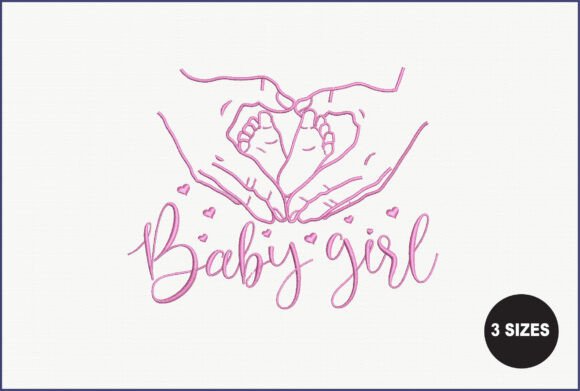
The Baby Inside Embroidery Design is a heartfelt and elegant choice for small businesses looking to add a meaningful touch to their merchandise. This machine embroidery design captures the essence of new life, making it ideal for maternity-themed products, baby-related branding, or even as a subtle symbol of growth and change. As an experienced embroidery designer, I’ve evaluated how this design performs in real-world business applications, from embroidered patches to custom apparel and branded merchandise.
First Impressions: A Touch of Elegance and Heart
From the first glance, the Baby Inside Embroidery Design exudes a sense of warmth and sophistication. It’s not overly flashy, but its simplicity allows it to blend well with a variety of styles—from modern minimalist designs to rustic handmade aesthetics. The motif feels professional yet approachable, making it suitable for both high-end boutique items and casual small business merch. Its elegant lines and soft curves suggest a premium quality, which can enhance brand identity and customer perception.
This design works particularly well on items like aprons, tote bags, and caps, where a subtle yet meaningful emblem can make a lasting impression. It’s also perfect for adding a personal touch to product packaging or customer gifts, reinforcing the emotional connection between the brand and its audience.
Real Business Use: Versatility Across Merchandise Types
The Baby Inside Embroidery Design is highly versatile when it comes to small business merch. Whether you’re creating embroidered patches for a local café, custom apparel for a handmade shop, or branded accessories for a boutique, this design can be adapted to fit multiple needs. Its clean lines make it easy to scale, allowing it to work on everything from large chest logos to smaller sleeve details.
For example, a boutique might use this design on tote bags as a signature mark, while a bakery could incorporate it into apron embroidery to create a cohesive brand look. It also works well as a cap embroidery, especially when paired with a simple font or additional text. On tote bags, it can serve as a focal point, drawing attention without overwhelming the overall design.
As a digital embroidery file, it’s likely compatible with most embroidery machines, making it accessible for both home and commercial use. However, it’s always wise to test the design on different fabrics and hoop sizes before committing to large-scale production.
Where to Use with Caution: Key Considerations
While the Baby Inside Embroidery Design is visually appealing, there are certain scenarios where it may not perform as well. For instance, on small patch sizes, the intricate details may become too delicate, leading to a loss of clarity. Similarly, on curved surfaces like caps or hats, the design might require some adjustment to ensure proper placement and visibility.
If the design includes tiny lettering or detailed outlines, it could be challenging to maintain sharpness on textured fabrics or dark uniforms. High stitch density may also affect the durability of the finished product, especially on items that undergo frequent washing. It’s important to review the thread colors for contrast and ensure they complement the fabric color before proceeding with any project.
Additionally, if you're planning to use this design for commercial embroidery projects, make sure to confirm the licensing terms. Some designs may have restrictions on resale or mass production, so always verify the rights before moving forward.
Impact on Brand Identity and Customer Engagement
When used effectively, the Baby Inside Embroidery Design can significantly enhance brand identity. It adds a layer of meaning to your products, helping to build trust and recognition among customers. For small businesses, this can be especially valuable, as it creates a visual link between the brand and the emotions associated with new life and family.
By incorporating this design into custom apparel or branded merchandise, you can elevate the perceived value of your products. It also supports a consistent visual language across all your offerings, reinforcing your brand’s message and aesthetic. For handmade brands or Etsy sellers, this design can help differentiate your products in a competitive market, offering a unique and meaningful addition to your product line.
Moreover, using this design in printable mockups or as part of your design assets can streamline the client approval process. It gives customers a clear idea of how the final product will look, increasing satisfaction and reducing the need for revisions.
Practical Designer Notes: Tips for Successful Implementation
Before using the Baby Inside Embroidery Design in any project, there are several steps I recommend taking. First, test the design in black and white to see how it translates on different fabrics. This can help identify any issues with contrast or detail clarity.
Next, check if the design works at a small patch size. If it’s intended for embroidered patches, ensure that the details remain visible and legible. Review the thread colors for compatibility and consider how they will look on the final fabric. Spacing and layout should also be inspected to avoid overcrowding or distortion.
Confirm the hoop size required for the design, and always use the appropriate stabilizer to prevent puckering or shifting during the embroidery process. Testing on real fabric is crucial—this helps you understand how the design behaves under actual conditions.
Finally, create a mockup for client approval, compare it with other design assets, and ensure that the commercial license allows for the intended use. These steps will help you deliver a polished, professional finished product that meets both your standards and your clients’ expectations.
Overall, the Baby Inside Embroidery Design offers a thoughtful and versatile option for small business owners and embroidery professionals. With careful consideration and proper execution, it can become a powerful tool for building brand recognition, enhancing product appeal, and creating meaningful connections with your audience.